Tax-exempt customers, please contact customer service at 1-877-434-2276 to place an order. Dismiss
Skip to contentTransfer trucks pulling a pup, PUP trailers, and roll-off trailers. These setups move material between the truck and the trailer — and they run both Semi-Automatic and Automatic Pulltarps systems. The right pick comes down to trailer length, material hauled, and how often you cycle.
Config: Truck + PUP Trailer
Trailer Length: Varies by setup
Compatible: Automatic & Semi-Auto
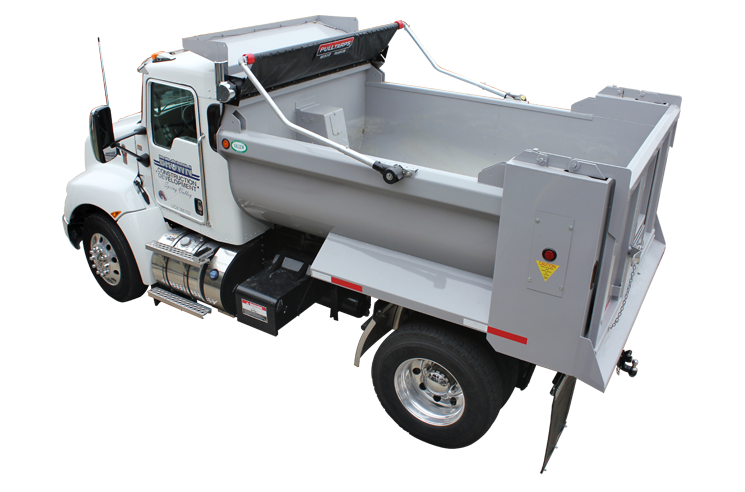
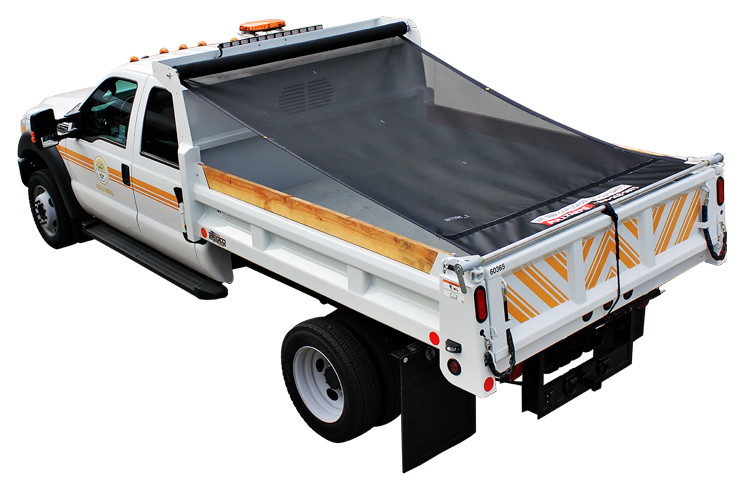
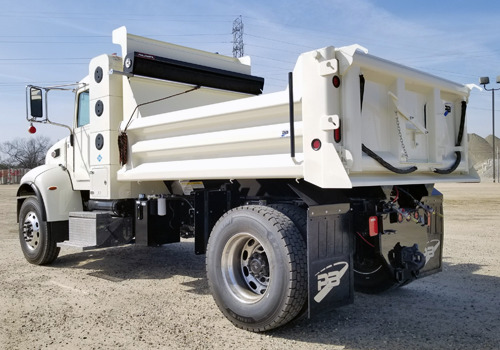
A transfer setup is a truck pulling a “pup” — a small trailer that rides behind the power unit. Material is transferred between the two: the truck dumps, then the load from the pup is moved over so a single driver can haul more in one trip. PUP trailers and roll-off trailers work the same way, carrying loose aggregate, asphalt, dirt, and debris that all has to stay covered on the road.
Because these rigs come in so many lengths and duty cycles, both Semi-Automatic and Automatic systems genuinely apply here. The right answer depends on the length of the transfer or roll-off, the material you haul, and personal preference — not a single “default” system the way it is on a Class 8 dump.
At a Glance
Configuration
Truck + PUP Trailer
Typical Trailer Length
12 – 22 ft
Material
Aggregate, Asphalt, Debris
Recommended System
Depends On Setup
Body Types
Transfer, PUP, Roll-Off Trailer
Three configurations that cover the realistic range for transfer and PUP setups — from a full electric automatic to a lightweight open-arm unit. Pick by trailer length and tarp material, then configure for your exact dimensions on the system page.
Automatic · Flagship
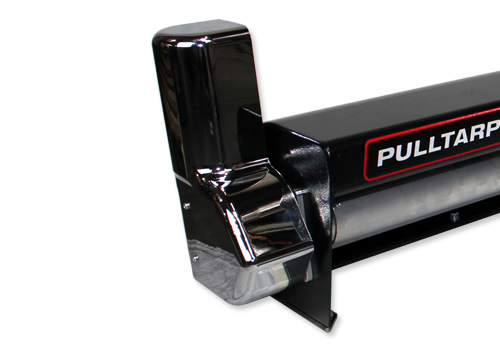
Heavy-duty 12-gauge steel housing and 1.3 HP electric motor for transfer and PUP trailers that cycle hard every day. Fully enclosed, 5-year warranty — the choice when uptime matters.
Automatic · All Lengths
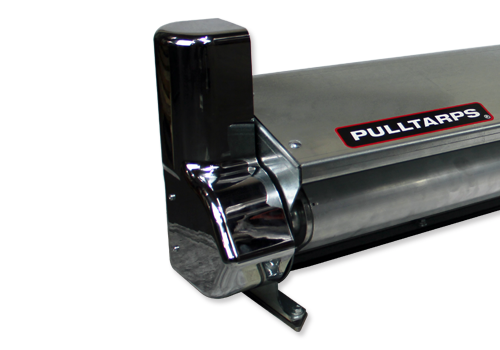
Versatile electric automatic that adapts to varying transfer and roll-off trailer lengths. Steel housing, sealed motor, and field-serviceable — a solid fleet pick for mixed setups.
Semi-Auto · Open Arm
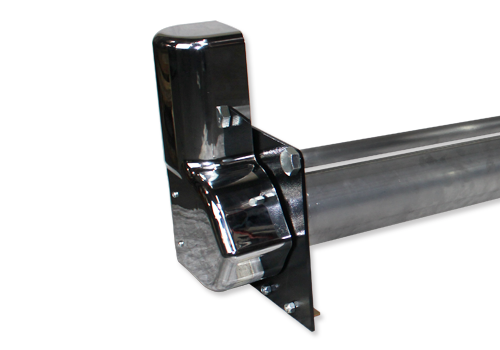
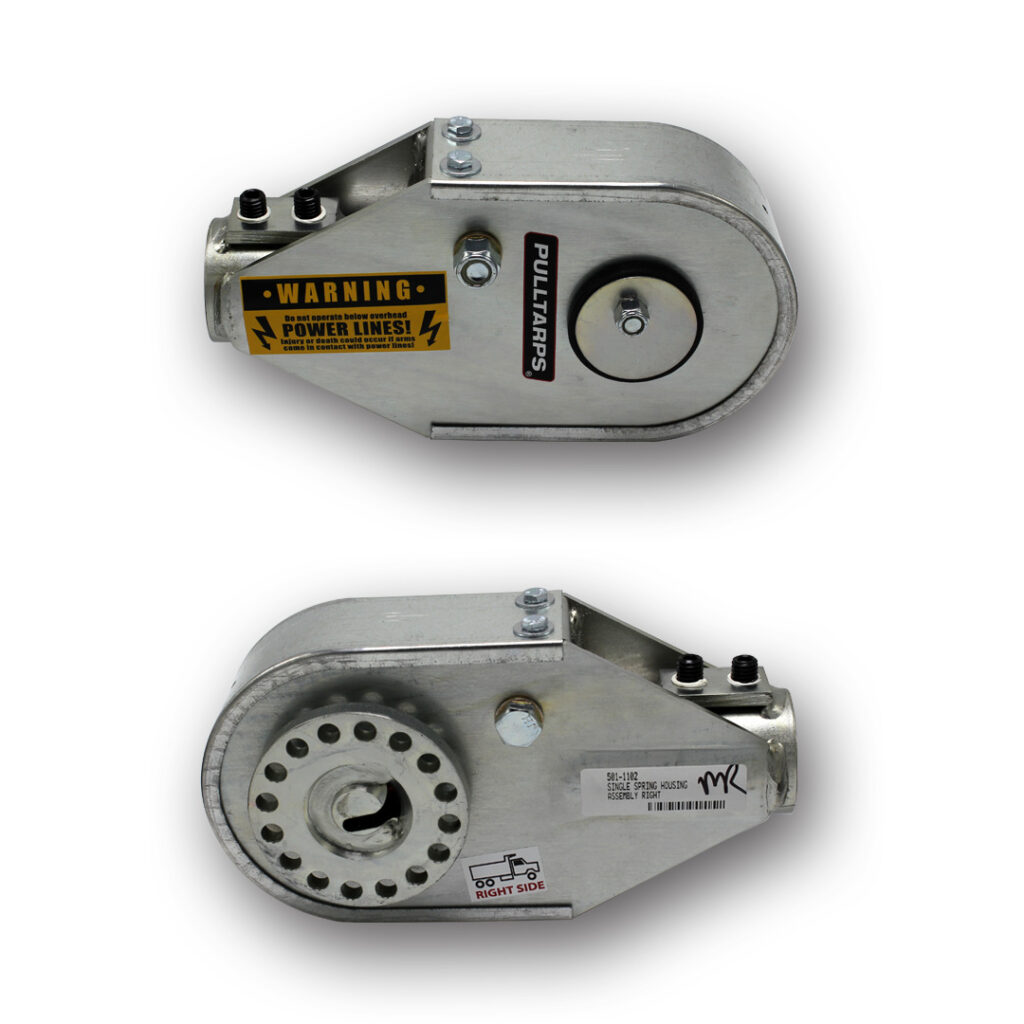
Open-arm unit — the lightweight option for shorter pups and owner-operators who cycle a few times a day. Ground-operated, less housing, no climbing the trailer.
Final configuration depends on trailer length, tarp material (Vinyl, HD Mesh, Super HD Mesh, Asphalt Vinyl), and mounting hardware. Configure each system for pricing on its product page.
Transfer and PUP setups split fairly evenly between automatic and semi-auto. The deciding factors are trailer length and how often you cycle — longer trailers and high cycle counts lean automatic; shorter pups and lighter schedules make semi-auto the smart call.
Longer Trailers · High Cycle
+
Cab-switch operation — driver stays in seat
+
Covers longer transfer and roll-off lengths fast
+
Best for rigs that cycle many times a day
−
Higher upfront cost; requires cab wiring
Best for: Long transfer trailers, daily high-cycle hauling, fleets running regulated routes.
Shorter PUPs · Lower Cycle
+
Spring-assisted, no electric required
+
Lower upfront cost, simpler service
+
Ground-operated — no climbing the trailer
−
Manual pull — slower cycle, more operator effort
Best for: Shorter pups, owner-operators, setups that cycle a few times a day.
Still not sure? Compare all three families → or call 1-800-368-3075.
Already Have A System?
Vinyl, HD Mesh, Super HD Mesh, and Asphalt Vinyl. Sized for transfer, PUP, and roll-off trailer beds from 14′ × 84″ up through 24′ × 88″. Same-day shipping in most cases.
Reference
Find the right tarp system for every truck and trailer class we serve.
Compare
How the three Pulltarps system families differ and which fits your work.
Compliance
The federal rule plus a state-by-state breakdown of load-covering laws.
Questions operators ask about tarping transfer setups, PUP trailers, and roll-off trailers.
Both work — transfer, PUP, and roll-off trailers genuinely take either system. The right pick depends on trailer length, the material you haul, and personal preference. Longer trailers that cycle many times a day lean automatic; shorter pups and lighter schedules are a good fit for semi-auto. Compare the two on our tarp systems page.
Yes — both the truck and the pup carry loose material, and federal regulation 49 CFR § 393.100 requires that load to be secured and contained, with additional state rules on top. You need both the power unit and the trailer tarped. See our state-by-state guide for the specifics where you run.
Measure the trailer bed length and width, then add 12 – 18 inches in each direction for rolling and side coverage. Transfer and PUP trailers commonly run 14′ × 84″ through 22′ × 88″ depending on length. The configurator will spec the exact size when you enter your dimensions.
Each unit gets its own cover. The power-unit body and the pup trailer are tarped separately, so when you move the load from one to the other, both stay legal and contained throughout. Match the system style across both units so operation feels consistent.

It depends on what you haul. Asphalt Vinyl is the heat-resistant pick for hot-mix; standard Vinyl gives a watertight cover for general aggregate and dirt; HD Mesh and Super HD Mesh shed water and take abrasion on debris and scrap. All four are available in transfer and PUP trailer sizes.
Yes — that’s the point of the setup. With automatic systems the driver covers each unit from the cab or the ground without climbing; semi-auto systems are spring-assisted and ground-operated. Either way one operator can stay legal across both the truck and the trailer.