
 In heavy-duty hauling, costs are rising. With labor, fuel, repairs, equipment, insurance, and compliance requirements, fleets are under constant pressure to keep operations efficient and loads securely covered.
Automatic and semi-automatic tarp systems can help improve load coverage, safety, compliance, and operational efficiency in many hauling applications. However, a tarp system , especially automatic ones, can seem like a heavy upfront investment.
In this automatic tarp systems vs semi-automatic tarp systems cost comparison, we will compare the long-term operational cost factors fleets should consider when choosing the right tarp system for their hauling operations.
Automatic vs Semi-Automatic Tarp Systems Cost Comparison
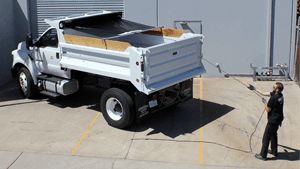 Automatic and semi-automatic tarp systems are generally used for frequent, large-scale hauling. Automatic tarp systems use an electric motor to cover and uncover loads using in-cab switches or wireless controls, reducing manual labor and improving safety and efficiency.
Semi-automatic tarp systems offer a balance between automation and manual tarping, providing a reliable and economical option for mid-sized or smaller fleet operations. These tarp systems use a spring-return roller tube with a pull-rope, allowing operators to cover or uncover loads with a single pull. The spring mechanism keeps the tarp tensioned over the load, reducing manual effort.
Although upfront cost of a tarp system is an important consideration, fleets should also consider long-term operational costs before investing in automatic or semi-automatic tarp systems.
Some of the main factors to consider include:
Proper Load Coverage
Manual tarping can be time-consuming and may require more labor to ensure tarps are secured properly. With automatic and semi-automatic tarp systems, load coverage is faster and easier because of motorized controls and spring rollers. Tarps are positioned evenly over each load for more secure and consistent coverage, reducing the risk of gaps, human error, and material loss, which can lead to load damage and compliance risks.
Choose high-quality tarps made with durable fabrics, reinforced seams, and secure attachment points to help protect materials from sun, wind, and snow during transport. Tarps should also be accurately sized and matched to the hauling application, tarp system , and vehicle configuration for optimal containment.
Pulltarps mesh, vinyl and asphalt tarps are assembled in El Cajon, California, with reinforced seams and rigorous quality testing to ensure durable, compliant load protection for demanding hauling applications.
Operational Requirements
High-quality tarp systems matched to the vehicle configuration and payload improve efficiency through automated functionality and faster operation. Faster deployment allows quicker loading and unloading, leading to more loads per shift and higher return on investment.
Automatic tarp systems reduce manual labor, helping save on labor costs and time. Semi-automatic systems deploy with a pull rope and spring-return roller, allowing quicker coverage compared to fully manual tarps.
For fleets regularly hauling construction and landscaping materials, faster loading cycles, reduced manual labor, and reliable load protection help improve productivity and profitability, allowing for a faster ROI on the tarp system .
Pulltarps truck tarp systems are designed with the user in mind, balancing durability, functionality, and ease of use. Built for a wide range of dump truck configurations, they feature durable steel housings, reinforced components, and reliable operation for demanding hauling environments, helping improve efficiency and reduce manual handling.
Maintenance Costs
All tarp systems need regular inspections and maintenance to extend their lifespan. Automatic tarp systems utilize electrical components, and failing to maintain them can cause premature malfunctions. Semi-automatic tarp systems may need periodic spring tension adjustments and lubrication for smooth operation.
Tarp systems built with high-strength motors, galvanized steel housings, reinforced arms, and tailored configurations offer a longer service life, lower maintenance, and fewer repairs. Quality tarp system parts , such as motors, pivots, and switch mechanisms, ensure smooth operation and help minimize the risk of breakdowns on the job. Choosing high-quality OEM components during repairs can also help reduce long-term costs.
Pulltarps manufactures all components of their tarp systems in the United States and offers a five-year warranty on their motors. Replacement tarps are shipped within 28 hours with instructions specific to your tarp system.
Liability and Compliance Costs
Both automatic and semi-automatic tarp systems keep loads securely covered, reducing the risk of non-compliance due to material spilling or blowing on the road. This helps reduce accident and injury risk, protecting operators, drivers, and cars on the road. Automatic tarp systems have features such as wireless controls for remote operation and semi-automatic tarp systems have spring return roller tubes that allow operators to cover loads with a simple pull.
Both offer easy functionality and safer operations to help fleets avoid unexpected costs such as injury claims, liability compensation, violation fines, higher insurance costs, loading delays, and downtime during hauling operations.
Invest in Durable Tarp Systems for Safer and More Productive Hauling
 Semi-automatic tarp systems offer a reliable and economical option for smaller or lower-frequency hauling operations. Automatic tarp systems are a smarter investment for larger fleets and high-frequency hauling for faster loading cycles. Consider your long-term operating expenses, potential downtime, maintenance, and safety and hauling requirements when selecting a tarp system for your specific needs.
The Pulltarps® System Configurator makes selecting a trailer or truck tarp system easy. Start customizing your perfect truck or trailer tarp system today. If you’re ready to order, but have some questions, contact our customer service team.
Frequently Asked Questions
Which factor affects tarp system cost savings the most?
Matching the tarp system to the truck configuration and hauling application. Proper fit and system use will improve coverage, reduce wear, and help avoid expenses due to damage, delays, and repairs.
How quickly can fleets recover the cost of an automatic tarp system?
The return depends on hauling frequency and the number of loads completed each day. Automatic tarp systems reduce the time required to cover and uncover loads, allowing trucks to move through loading cycles faster. For fleets that run multiple trips per shift, the amount of time saved can help recover the initial system investment more quickly.
Are semi-automatic tarp systems used for regular hauling?
Yes. Semi-automatic tarp systems are commonly used for construction, landscaping, demolition, and other hauling applications. Choose high-quality tarp systems with durable construction and components for reliable performance. Pulltarps semi-automatic SuperShield™ 8500M Tarp System is considered to be the strongest and most durable system available in the industry. Designed for smaller dump truck bodies up to 18 feet, the system features fully welded 12-gauge steel construction and offers the best protection from falling debris. For larger applications, consider the Supershield 9500M semi-automatic tarp system, which can hold up to 30 feet of tarp.