
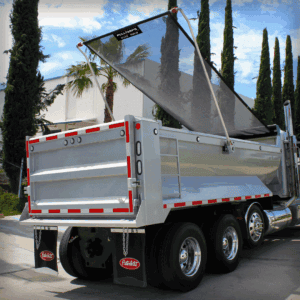
 Secure load protection starts with choosing the right tarp for the way you actually haul, not just the size of your truck or trailer. The tarp needs to work with your material, routes, and tarp system so it can hold up to daily use. When those pieces line up, you reduce material loss, avoid compliance issues, and put less strain on the tarp and hardware over time.
Because payloads range from construction and landscaping loads to demolition debris, tarps must be matched to the hauling application. For example, mesh tarps provide containment and airflow for loose, dusty material, while vinyl tarps are used when you need sealed, weather‑resistant coverage. Factors such as tarp system configuration and mounting position also come into play and should be considered to ensure the tarp system runs smoothly and provides full coverage.
Some operations need custom tarps for irregular, uneven, or heaped loads, or for specific truck and trailer configurations that fall outside standard setups. In this article, we’ll walk through how to build a custom tarp with the Pulltarps Configurator and the key factors to consider when selecting the right material and system configuration for your application.
How To Build a Custom Replacement Tarp with Pulltarps
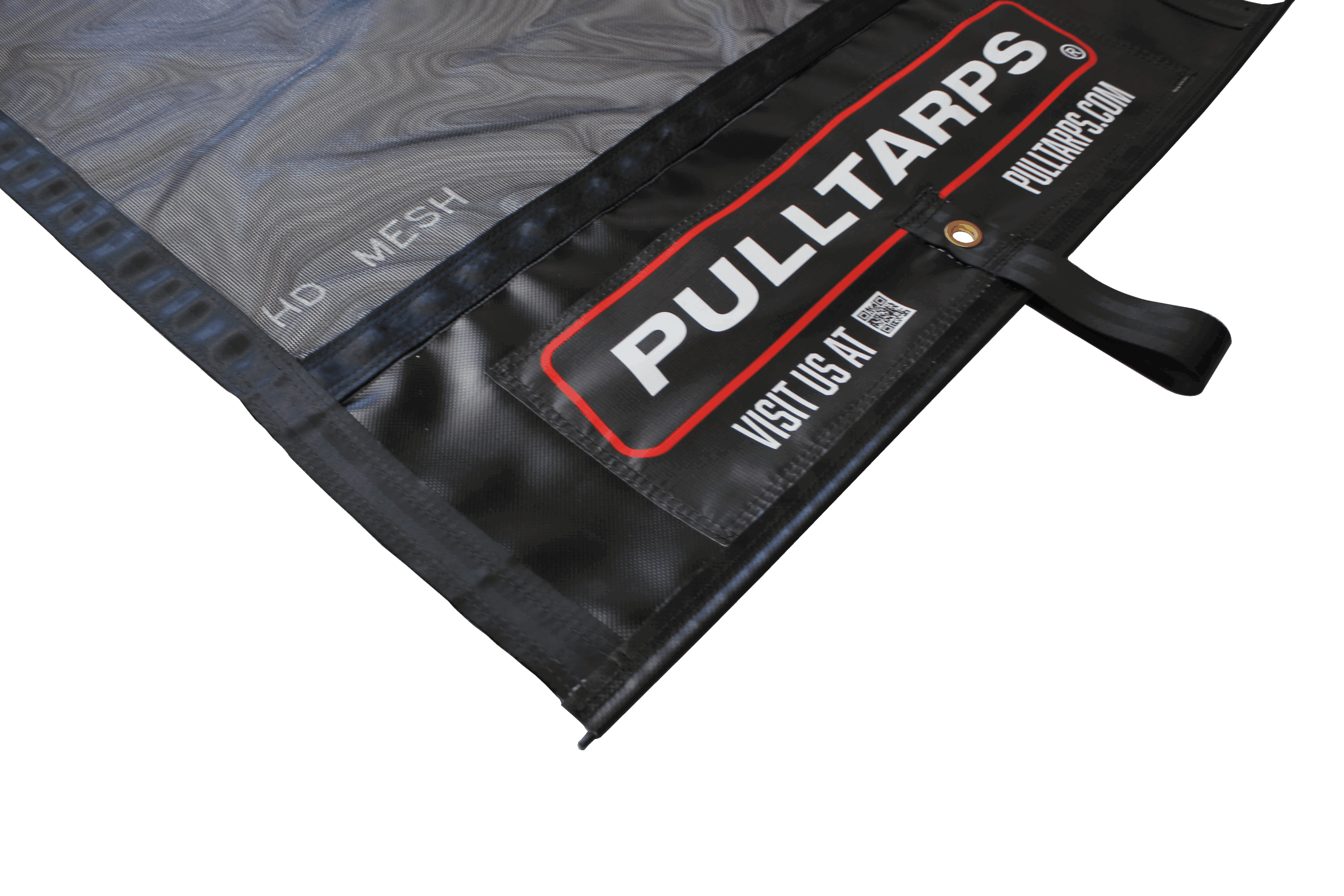 Not every tarp is built the same, and the size you need does not always match your truck or trailer bed length exactly. The right dimensions depend on your tarp system, where it is mounted, and how much of the load you need to cover over the sides and tailgate.
Pulltarps offers custom tarps in vinyl, mesh, and asphalt‑grade materials for both automatic and semi‑automatic systems. Using the Pulltarps Build‑A‑Tarp Configurator, you can plug in your vehicle details, tarp system style, and hauling application to spec a tarp that fits your setup and the way you work.
Here’s how to build a custom tarp with Pulltarps:
Step 1: Choose Your Tarp System Type
Navigate to the Pulltarps Build-A-Tarp Configurator and select your tarp system type. You can choose from:
-
- Automatic Tarps: Tarps used for a set-up powered by a motor and springs.
- Semi-automatic Tarp: Tarps used for a system deployed with a pull rope and spring-return roller.
- Universal Throw Tarps: Throw tarps that are 10 feet wide and available in lengths up to 40 feet.
- Universal Fit Tarps (Industry Standard Fit Replacement Tarps): Designed to fit most competitors’ truck and trailer tarp systems and truck boxes from 10 feet to 18 feet long.
Universal Fit Tarps are standard-size tarps suitable for most automatic, semi-automatic, or manual. They’re a good option when the tarp size or system details are unknown and measurements are needed to match the correct replacement.
If you know your Pulltarps tarp part number, simply enter it into the configurator. The system will pull up the correct tarp specifications, making reordering quick and easy.
Step 2: Enter Mounting Position
For automatic and semi-automatic tarp systems, the configurator will ask for mounting and housing information. The roller tube location and cab shield height can affect tarp size.
Mounting positions differ between dump bodies and tarp systems, so checking the roller housing placement helps match the tarp length to the tarp system when ordering a new or replacement tarp.
Systems mounted above the side rails generally require more tarp material than systems mounted lower or farther back on the body. Taller cab shields increase the distance from the spool to the front of the box and may require additional tarp length.
Step 3: Enter Tarp Dimensions
Next, the configurator will ask you for the tarp length and width. Start with:
Bed Length: Measure the truck or trailer body from the front of the box to the rear tailgate to get the base tarp length. Most tarp systems require additional tarp material beyond the bed length depending on the system type and mounting position.
Bed Width: Measure the body width at its widest point to ensure complete side-to-side coverage. If the vehicle has sideboards or extensions above the rails, include the added height when determining the tarp size.
Step 4: Choose Your Tarp Material
For secure load protection, choose a custom tarp that matches the payload and hauling application:
Mesh Tarps: Choose woven mesh tarps if you are hauling loose or lighter loads like demolition debris, landscaping materials, gravel, rocks, and waste. Available in different weaves and weights, they come in standard and heavy-duty options. Pulltarps heavy-duty mesh tarps are manufactured with either 11 oz HD mesh or 18 oz Super HD mesh using vinyl-coated polyester fabric. They are built to hold up under harsh weather conditions and frequent use.
Vinyl Tarps: If you need sealed coverage to protect loads from moisture, vinyl tarps are a good option for heavy-duty applications such as machinery and landscaping loads. Pulltarps vinyl tarps feature an 18oz fabric with rust-proof grommets spaced every three feet for easy tie-down or attachment, ensuring seamless full-width coverage.
Asphalt Tarps: Asphalt tarps help maintain temperature consistency and prevent the material from hardening during transport. Pulltarps asphalt tarps feature grommets for secure closure and a waterproof urethane coating that prevents sticking and burn-through under high temperatures.
Tailored Tarping Solutions for Reliable Load Protection
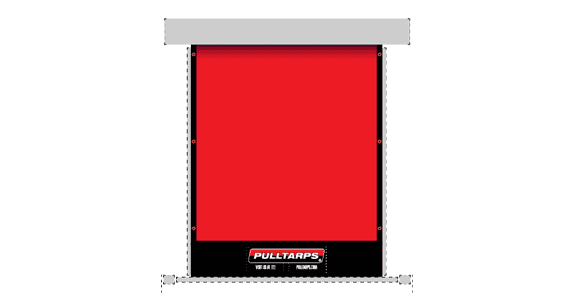 Accurate sizing and proper fit help protect payloads from sun, wind, and moisture, prevent material loss and exposure, and reduce compliance risk. The Pulltarps Build-A-Tarp Configurator helps you order custom tarps and universal replacement tarps matched to your vehicle dimensions and tarp system requirements.
The Pulltarps® System Configurator makes selecting a trailer or truck tarp system easy. Start customizing your perfect truck or trailer tarp system today. If you’re ready to order, but have some questions, contact our customer service team.