
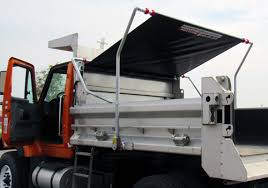
 Proper tarp systems are essential for keeping loose loads contained and protected from wind, dust, and moisture. They also help ensure compliance with federal and state tarp regulations, which require secure load containment to prevent debris from falling onto roadways. Ignoring these regulations can lead to fines, safety hazards, and unnecessary downtime.
To keep your operation safe and compliant, it’s important to keep your tarp system in optimal working condition. Over time, moving parts, springs, and housing components experience wear from daily loading, unloading, and weather exposure. A quick inspection before each shift can help you catch small issues early and prevent larger, costly repairs.
Using a tarp system safety checklist is a simple way for fleets to stay compliant, maximize efficiency, and keep hauling operations running smoothly.
Tarp System Safety Checklist for Secure Hauling
 Dump truck and trailer tarps that haul heavy-duty payloads like landscaping, demolition, and construction materials take a beating in tough, real‑world conditions. To maintain reliable performance and protect every load, the tarp system must keep materials securely contained from one site to the next.
Use the following tarp system safety checklist to help ensure consistent, secure load protection.
- Conduct a Tarp Inspection
Inspect the tarp material for tears, worn edges, or stretched areas that can affect coverage. Check seams, grommets, and attachment points for damage, especially after hauling abrasive or uneven loads. Clear any debris caught in the tarp or housing, and roll the tarp in fully when not in use to protect it from sun exposure and moisture. Promptly repair and replace to prevent delays and downtime during transport.
Pultarps offers heavy-duty vinyl, mesh, and asphalt tarps for various applications made with premium materials, reinforced stitching, and rust-proof grommets for secure attachment and long-lasting performance. All our tarps have an individualized number printed on them to make re-ordering easy. When it’s time to order a replacement tarp, simply give us the number, and we will create the same tarp without verifying measurements again.
- Check Tarp Positioning
Check that the tarp sits evenly across the load without bunching, gaps, or overhang on one side. Uneven placement can cause the tarp to rub against the housing or arms, create wind pockets, or leave high points exposed. Reposition the tarp before transport, keeping the tarp aligned with the truck body for secure load coverage.
- Verify Tarp Tension
Proper tarp tension is essential for keeping the cover secure during transport and preventing wind drag, sagging, or premature wear. A loose tarp can flap against the housing or arms, strain components, or allow material to escape during transit.
For semi-automatic tarp systems, check that the spring-return roller retracts the tarp smoothly and maintains steady tension. Slow, uneven, or weak retraction usually means the spring requires adjustment. For automatic tarp systems, ensure the motor retracts and deploys the tarp evenly without strain. Irregular movement or loss of tension may indicate an issue with the motor, wiring, or switch controls.
- Check Moving Parts
Automatic tarp systems have more moving parts than semi-automatic systems. Since moving parts are exposed to the most wear during hauling, arms, pivot points, motors, or rollers can impact tarp movement, causing it to stretch or tear as it retracts. Inspect all pivot points, hinges, arm joints, and roller components for wear. Lubricate to prevent binding and reduce friction during deployment and retraction. Look out for uneven movement, unusual noise, or parts that feel tight or difficult to operate. These are early signs that adjustment or maintenance may be needed.
- Check Load Height & Clearance
Before deploying the tarp, check that the load is level and does not extend above the side rails or sit higher on one end. Uneven or excessive load height can cause it to drag over sharp edges or prevent the tarp from rolling out smoothly. High spots also increase the risk of material escaping and can result in tarp regulations compliance violations, especially in states that require full load containment. Remove oversized debris and level high spots for secure coverage.
High Quality Tarp Systems for Secure and Compliant Coverage
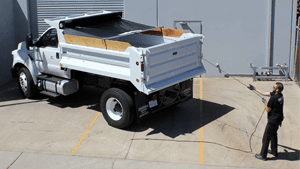 Tarp regulations vary by state, but federal law mandates the use of high-quality, heavy-duty tarp systems to ensure environmental and road safety. Staying compliant depends on regular system inspections, proper maintenance, and choosing the right tarp material and system for your application.
Tarp size and matching the tarp system to your truck or trailer configuration are essential, as even minor discrepancies can affect performance and functionality. For more guidance on selecting the right system for your hauling needs, explore our News & Updates or Technical Documents.
The Pulltarps® System Configurator makes selecting a trailer or truck tarp system easy. Start customizing your perfect truck or trailer tarp system today. If you’re ready to order, but have some questions, contact our customer service team.