Hauling Industry News
How Proper Tarping Helps Reduce DOT Fines and Keeps Dump Truck Fleets Compliant
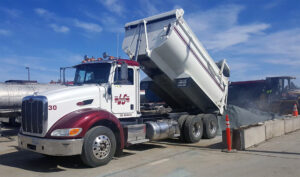 Dump truck fleets operating on public roads must comply with Department of Transportation (DOT) and Federal Motor Carrier Safety Administration (FMCSA) regulations. Violations involving uncovered or unsecured loads can lead to state-specific fines of up to $5,000. These laws are enforced to prevent material from falling, shifting, or blowing from vehicles during transport and to protect operators, other motorists, and pedestrians.
Tarp regulations vary by state, but all fifty states enforce laws governing load containment. Securing loads with tarps helps fleets reduce the risk of fines and downtime, prevent material loss during transport, and keep operations compliant. This article explains how to reduce fines with tarping and what dump truck fleets should consider to stay compliant.
DOT Violations Caused by Improper Load Coverage
DOT violations related to load coverage are issued when material is not properly covered or contained during transport. Road debris from unsecured loads remains a safety concern, with more than 700 fatalities and 17,000 injuries reported each year. For fleets, these violations can lead to fines, downtime, liability exposure, and reputational damage.
Some of the most common reasons for violations of tarp regulations during transport and roadside inspections include:
Incomplete or uneven tarp coverage: Tarps that do not fully cover the load, sit unevenly across the body, or leave high points exposed increase the risk of violations due to debris blowing or falling, or leaving residue.
Loading Above Maximum Capacity: Commercial vehicles must comply with GVWR and applicable federal and state load limits. Overloading can affect tarp coverage, create clearance issues, and lead to compliance violations.
Using the Wong Tarp Material: Some loads require sealed or specialized coverage to meet regulatory requirements. Selecting a tarp material that does not match the load type can result in exposed material, debris loss, and non-compliance.
Other DOT violations can involve driver credentials, hours of service, vehicle condition, or documentation, all of which are checked during inspections.
How Proper Tarping Helps Reduce DOT Fines
More than 100,000 DOT violations were reported in 2025, including loading and securement-related vehicle non-compliance. These can easily be prevented with the right tarp coverage and system to safely secure and contain heavy-duty dump truck loads.
Here’s how to reduce fines with proper tarping:
Tarp Fit and Size
A properly fitted tarp ensures complete load coverage and helps prevent material loss during transport, while allowing safe rolling during loading and unloading. Poorly fitted tarps can lead to tarp regulation violations, delays, and added costs. Pulltarps Build a Tarp configurator can be used to get the right size for your dump truck.
Tarp Construction
The quality and durability of the tarp material have a direct impact on load coverage. Premium materials and advanced manufacturing techniques produce the highest quality finished fabrics for a longer tarp life, reliable coverage, and a lower risk of non-compliance because of unsecured loads.
Pulltarps tarps are assembled in El Cajon, California, with precision technology and rigorous testing to ensure secure load protection, compliance, and long-term performance. Our skilled craftsmen use stitching machines to reinforce each tarp with durable and secure seams, ensuring strict quality control at each stage to deliver high-quality products for your hauling applications.
Reinforcements & Attachments
Reinforced edges, double-stitched hems, and durable grommets help tarps stay secured under load stress. These features distribute tension evenly, help reduce tearing under load stress and premature wear at high-tension points. The result is secure coverage and a lower risk of tarp-related violations.
Pulltarps heavy-duty mesh tarps are manufactured with 11oz or 18oz vinyl-coated polyester fabric and feature brass grommets, reinforced webbing, and double needle block stitching for reinforced strength for reliable load protection. For full-width, waterproof coverage, consider Pulltarps vinyl tarps. They have a fabric weight of 18oz with rust-proof grommets spaced every three feet for easy tie and screw down, or attachment to your tarp roller bar.
Material Type
Matching the tarp material to the load type is also essential for meeting tarp regulations. Vinyl tarps provide solid, waterproof coverage and resistance to punctures for heavy or abrasive loads. Mesh tarps allow airflow while containing loose material, reducing debris loss during transport. Asphalt hauling involves strict coverage requirements due to safety hazards, requiring heat-resistant tarps for compliant transport.
Pulltarps asphalt vinyl tarps are built to fit most dump truck tarp systems and can withstand temperatures up to 400 degrees. Reinforced with double-stitched seams and evenly spaced rust-proof grommets, Pulltarps asphalt tarps provide long-lasting, reliable protection for asphalt hauling operations.
Ensure Compliant and Safe Load Coverage with Durable Tarp Systems
Meeting tarp regulations requires reliable load coverage and using tarps built for heavy-duty hauling. Material selection, durability, and system compatibility all affect how loads are secured and contained during transport. Choosing the right tarp for the payload and hauling requirements reduces wear, extends service life, and helps fleets avoid compliance issues that lead to downtime and added costs.
Frequently Asked Questions
How often should tarps be inspected to avoid DOT violations?
Regular visual checks help catch tears, worn seams, and attachment issues before they lead to uncovered loads. Weekly routine tarp inspection and addressing damage early reduces the risk of citations during roadside inspections.
Can a covered load still result in a DOT violation?
Yes. Regulations require that cargo be secured so it cannot leak, spill, blow, or fall from a vehicle during transit. If debris is visible leaving the truck bed, inspectors can issue a violation.
Do DOT inspections look at tarp condition or only load coverage?
Inspectors check if the tarp can effectively contain the load. Visible damage that affects containment may be cited as an unsecured load violation. Under federal cargo securement rules, cargo must be covered and secured so it cannot fall or shift, and visible damage or gaps that compromise coverage can result in a violation during a roadside inspection.
The Pulltarps® System Configurator makes selecting a trailer or truck tarp system easy. Start customizing your perfect truck or trailer tarp system today. If you’re ready to order, but have some questions, contact our customer service team.